TANK HEADER
TANK CLEANING

STORAGE TANKS & TRAP SYSTEMS are critical components in many commercial and industrial facilities. Understanding their function and proper maintenance is essential for ensuring regulatory compliance and preventing costly operational issues.

STORAGE TANKS are containers designed to hold liquids—such as water, chemicals, or fuels—used across a wide range of industries. 

TRAP SYSTEMS are often found in industries like food service, automotive, and manufacturing, are designed to separate and capture debris or contaminants before they enter the wastewater system. Regular inspections help prevent blockages and maintain system efficiency.

NEED PRICING OR INFORMATION?
Button_INDUSTRIAL TANK FORM


WHY IS TANK MAINTENANCE IMPORTANT?

Regulatory agencies require routine servicing to ensure tanks and traps operate safely. Licensed professionals should conduct cleaning to address hazardous material regulations and minimize environmental risks.

Neglected systems may lead to compliance violations, environmental hazards, or facility downtime.

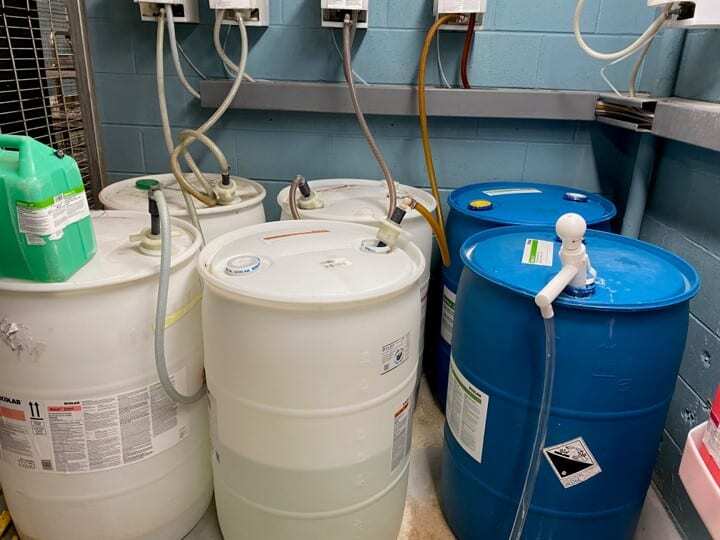
Maintenance-Supplies-1_Kemps

Maintenance supply tanks are commonly found across facilities and require regular upkeep to ensure optimal performance and safety. For expert guidance on caring for tanks at your location, please contact our team.
INDUSTRIES SERVED

We support tank and trap maintenance services nationally, for all industry types. Common industries requiring tank cleaning services include:

  • Manufacturing

  • Education

  • Food: Production, Processing & Labs

  • City/County Municipalities

  • Construction & Contractors

  • Commercial Real Estate

  • Senior/Memory Care

  • Commercial Printing

  • Government & Utilities

  • Retail

  • Recycling Centers & Landfills

  • Restaurants

COMMON TYPES OF STORAGE TANKS

Here are three common types of storage tanks that often need cleaning and occasionally decommissioning. If you're unsure about what kind of tank you have or whether it needs maintenance, just reach out to our team for a free consultation. We're here to help, and will guide you to the right solution that keeps your facility safe and up to date with the latest regulations.

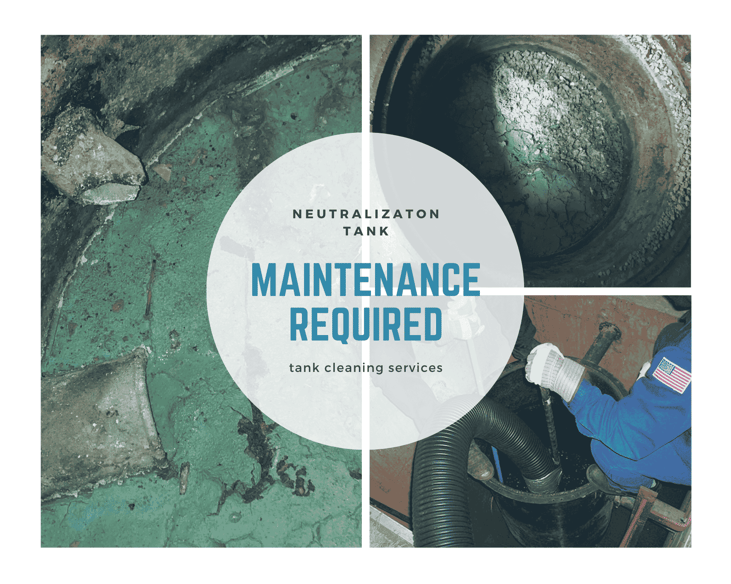
NEUTRALIZATION TANK

These tanks are attached to sewer lines and are used to neutralize the pH level of corrosive waste drainage before being discharged into the sewer system. Even if no acids are being sewered, neutralization tanks still fill up with sediment and can clog over time. 

When serviced, the old rock/sludge can have enough heavy metals built up to be regulated as hazardous waste; testing will inform that process


Neutralization Tank CleaningThis neutralization tank required removal of old rock/sludge, packaging, testing, disposal & installation of new rock. 
 

tank-2_Blue-Earth

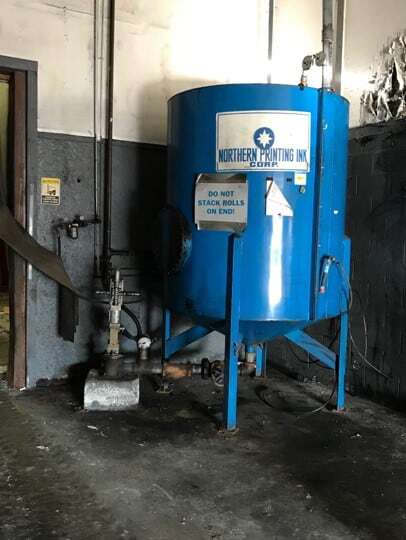
Above ground ink holding tank for clean-out and removal
HOLDING TANK

Holding tanks are used to store products necessary for a manufacturing process and are found in most manufacturing facilities. Anytime a manufacturer has large quantities of liquid product that they need to hold and use continuously, they’re likely to have some sort of tank system for storage. Regardless of the product, these tanks will occasionally need to be cleaned out to remove sedimentary buildup, impurities, and to check the tank integrity. Often times, holding tank work is completed during regular plant closures in order to avoid interrupting the manufacturing process. Please see our Closure Services for more information on how we can support your regulated waste and removal during the process.

Demolition Project

  • Cleaned-out four 2,500 gallon ink tanks, one 10,000 gallon fuel oil tank, two 5,000 gallon acid tanks

  • Cleaned all associated process lines

  • All tanks required confined space entry and appropriate PPE

Tank Clean-out

  • Cleaned-out one 10,000 gallon sulfuric acid tank and one 10,000 gallon sodium hydroxide tank

  • Waste neutralization

  • No confined space entry

TRAPS

Traps are designed to prevent unwanted materials from going down the sewer drain. These are usually designed for petroleum products (oil and gasoline), sediments/solids, or both. Traps may also be part of a chemical spill containment system. Both trap types are meant to capture material instead of allowing it to travel through the sewer system. These captured materials must periodically be removed from the trap to allow proper functionality. Most facilities with active floor drains have a trap to capture sediment. 

Drain-traps-2-226x300

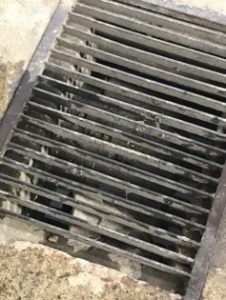
Example of a standard drain trap found in many facilities. These require regular inspection and maintenance.


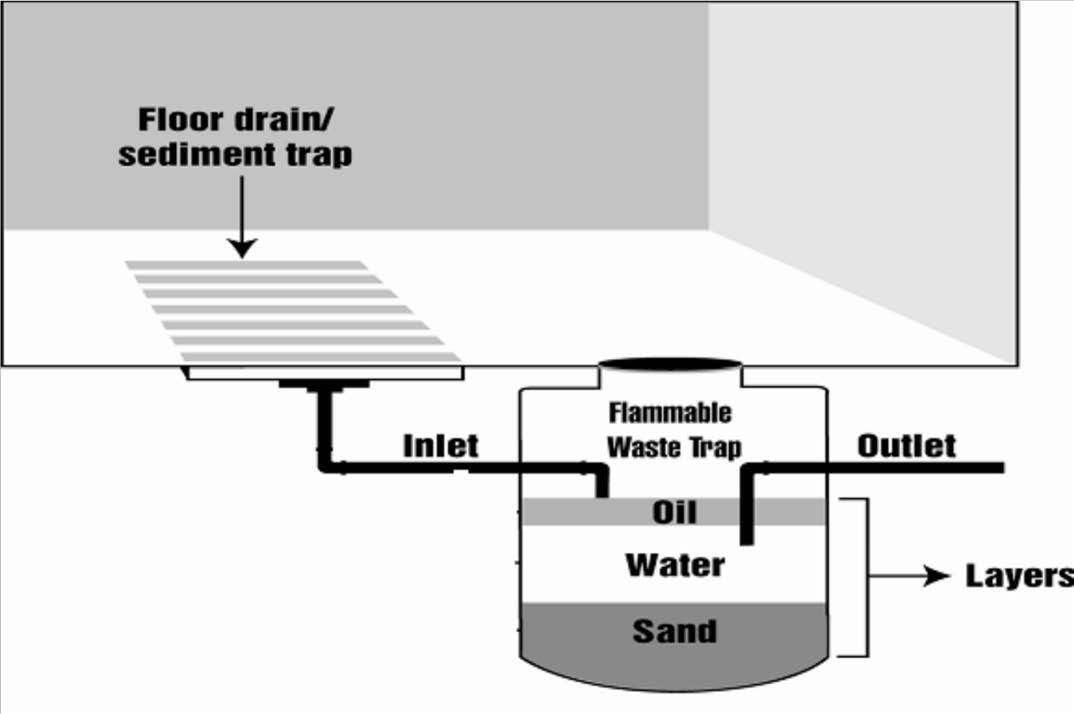
sediment-diagram

Floor trap illustrating the layers that build up in a flammable waste trap. (source MNDOT)

TRAP WASTE ANALYSIS

The removed material is frequently not classified as hazardous waste under RCRA; however, it must be sampled and analyzed by a certified laboratory to confirm its regulatory status before off-site transport. Upon receipt of laboratory results, we manage the appropriate removal process, prepare all required disposal documentation, and coordinate waste material pickup directly from your facility.

1
2
3
4
5
6
7
8