HOW TO RECYCLE SOLAR PANELS
STEP 1 – DO NOT THROW SOLAR PANELS IN THE GARBAGE/LANDFILL
SOLAR PANELS ARE NOT GARBAGE
Solar panels often contain hazardous materials like arsenic, cadmium, lead and selenium, which can pose serious environmental risks if not properly handled. That's why it's essential to dispose of unwanted solar products through a certified recycling partner - Like Retrofit Environmental. We ensure safe, responsible recycling that protects both people and the planet.
RESPONSIBLE SOLAR DISPOSAL FOR BUSINESSES
As solar technology continues to evolve, businesses must stay vigilant when disposing of solar products. Regulations surrounding solar waste are constantly changing, and improper disposal can lead to serious compliance and environmental issues. At Retrofit Environmental, we’re your trusted, certified recycling partner, keeping you informed of the latest updates from the EPA, DOT, MPCA, and OSHA. We help you navigate the complexities of solar waste management with confidence and precision.
While solar panels are designed to last for decades, many installers and operators are already dealing with large volumes of non-functioning panels—and anticipating even more as solar gardens reach the end of their lifecycle. As older photovoltaic panels become obsolete, proper disposal becomes critical.
Our team specializes in this unique waste stream, offering tailored solutions that meet regulatory requirements and support your sustainability goals. Let us help you manage solar waste responsibly and efficiently.
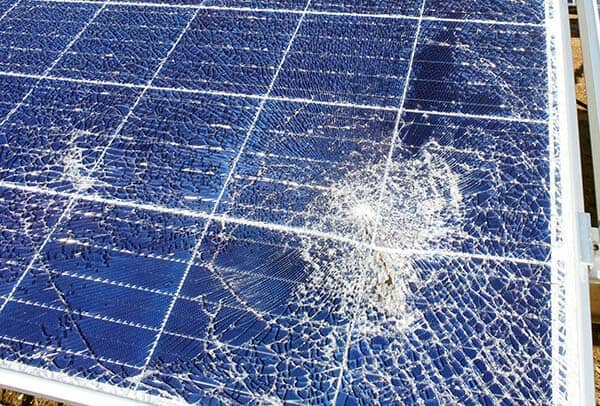
Damaged or defective solar panel? Our Solar Panel recycling program can eliminate the hassle of storing these unwanted waste items. Photo c.o. World Wind & Solar

STEP 2 – IDENTIFY YOUR SOLAR PANEL
It is critical to properly identify what type of solar product you have before you can determine how to legally dispose of it. Contact our team and we will help you identify your type of solar panel. Sometimes the product label is not clear, the manufacturer uses terms you are not familiar with, or you are simply unfamiliar with the varieties of solar panels out there. Bottom line – don’t risk it, let us help you. We can help you identify your type of panel, we can even do testing if that is needed, and provide you with disposal options for your business.
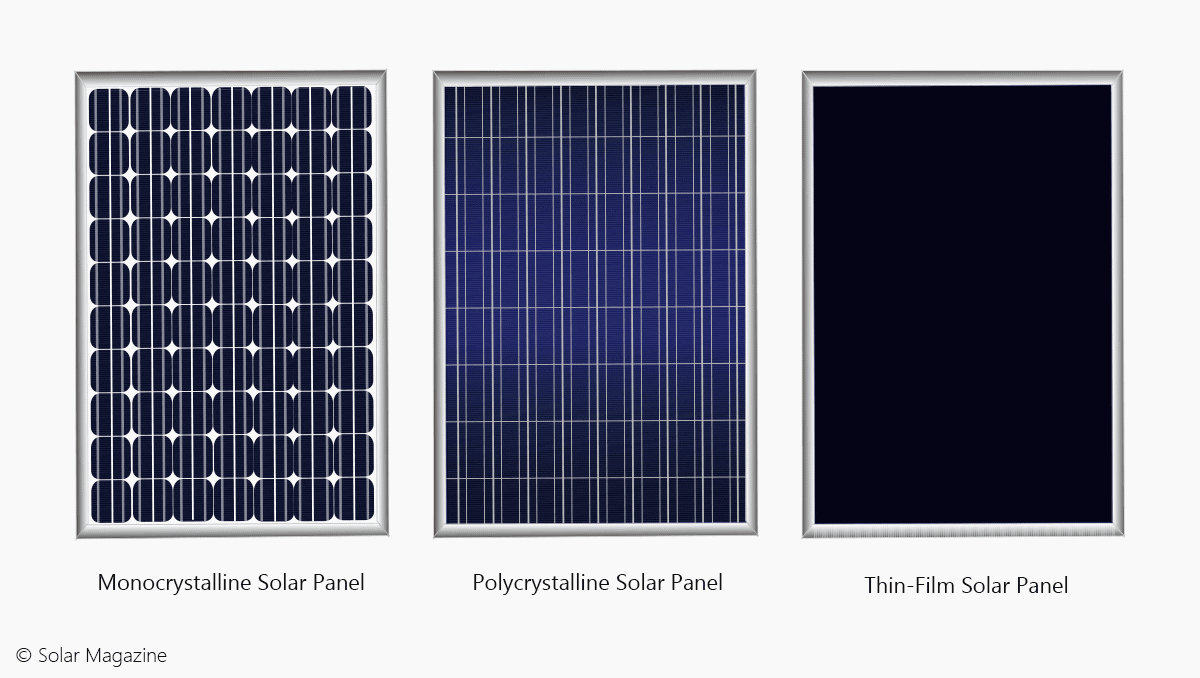
MONOCRYSTALLINE (silicon based) Monocrystalline silicon is manufactured in such a way that it forms a continuous single crystal without grain boundaries. These types of panels can be recycled through our Solar Panel Recycling Program.
POLYCRYSTALLINE (silicon based) Polycrystalline (or multicrystalline) silicon is manufactured in such a way that it consists of a number of small crystals, forming grains. These types of panels can be recycled through our Solar Panel Recycling Program.
THIN FILM* is a technology used to produce solar cells based on very thin layers of PV (photovoltaic) materials deposited over an inexpensive material (glass, stainless steel, plastic). Common thin film technologies include Copper indium gallium (di)selenide (CIGS), and Cadmium telluride (CdTe). *special processing required.
STEP 3 - SOLAR PANEL RECYCLING OPTIONS
Once you've correctly identified your solar product, the next step is understanding the regulations that govern its disposal. Currently, there are no federal laws in the U.S. specifically addressing the collection and recycling of end-of-life solar panels. Instead, these products fall under the broader waste management framework outlined in the Resource Conservation and Recovery Act (RCRA) of 1976, which governs both hazardous and non-hazardous solid waste.
At Retrofit Environmental, our certified recycling team is here to guide you through the regulatory landscape and ensure your solar waste is handled responsibly. While we provide detailed support tailored to your specific situation, here are the general guidelines to keep in mind:
MINNESOTA SOLAR PANEL REGULATIONS
In Minnesota, solar panels discarded by a commercial entity must be assumed to be hazardous waste, due to the probable presence of heavy metals, unless proven to be non-hazardous through testing. MPCA – Toxics and Pollution Prevention. There is a statewide goal of 10% solar-generated electricity by 2030, which would result in approx. 6,000 Megawatts (MW) or about 21 million modules to be installed. With this anticipated spike in future decommissioning of solar units, it is expected that Minnesota will continue to re-evaluate state-wide regulations for end-of-life solar panel processing.
SILICON BASED
Silicon based (monocrystalline and polycrystalline) solar panels can be recycled by TRC. It is imperative that your solar panel be identified by either a manufacturer’s label or TCLP testing prior to utilizing our Solar Panel Recycling Program.
HAZARDOUS WASTE DISPOSAL
As previously mentioned, solar panels in MN are assumed to be hazardous waste, unless proven otherwise. TRC can provide testing for your solar panel to determine a hazardous waste status.


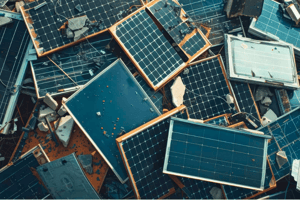
EVALUATE
Solar modules are evaluated and marked for recycling as needed. Modules are grouped by size and type to simplify the next step in the recycling process.

PREPARE
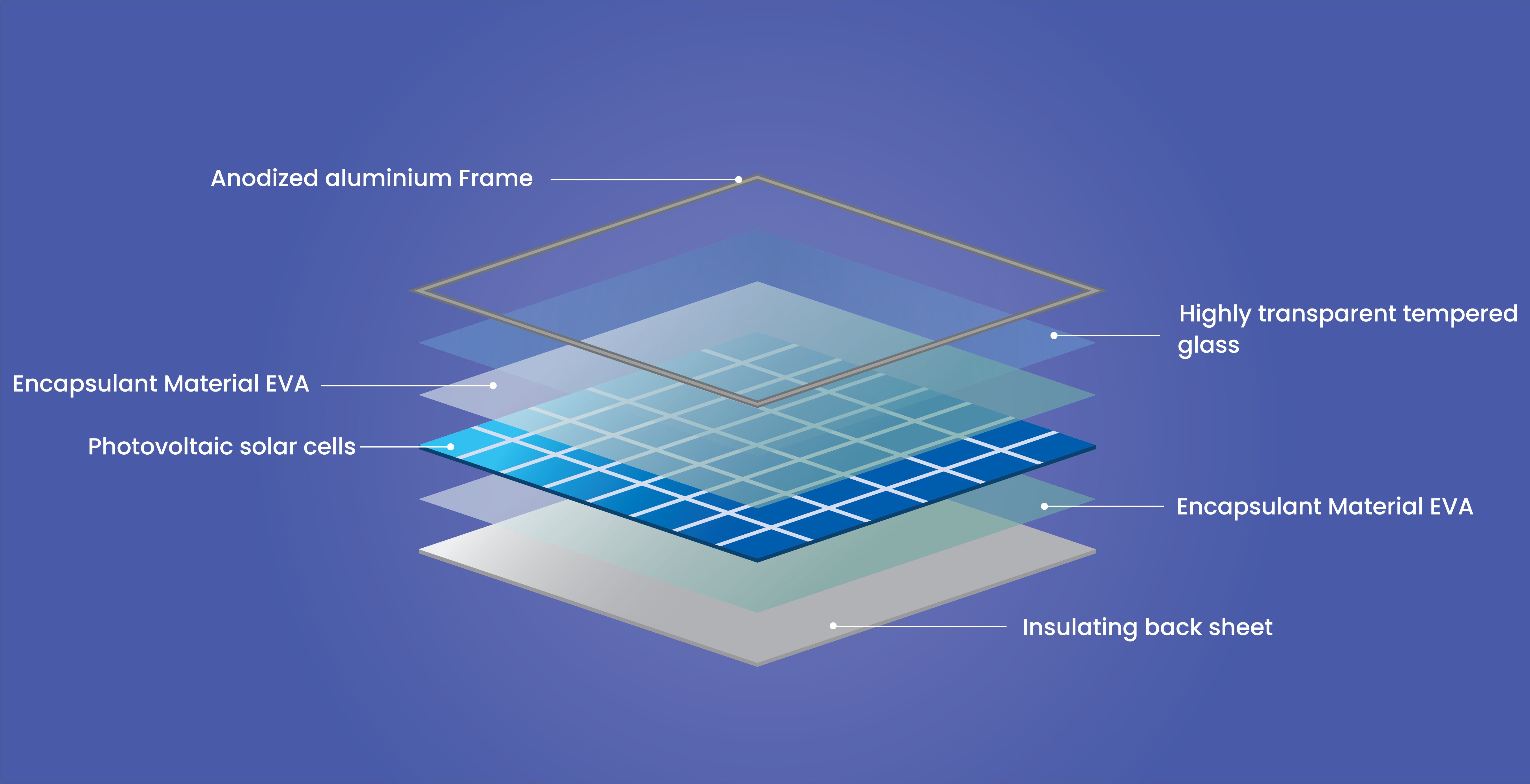
Connection wires, junction boxes and additional components (such as optimizers, microinverters or racking hardware) are removed from the solar panel. The module frame is removed using a machine developed for this process.
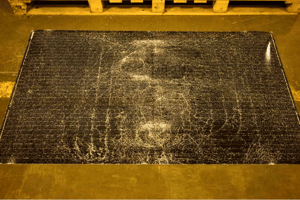
SHRED
With the frame and j-box removed from the solar panel, the remaining laminate is shredded. This step makes the materials easier to handle, leaving pieces about the size of your hand.
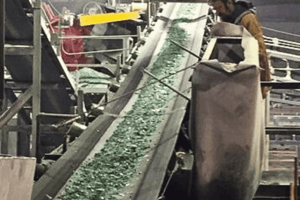
GRIND
The shredded laminate goes through a grinding process. This further reduces the size of the material. Wire and cell material are separated from the glass and encapsulant.
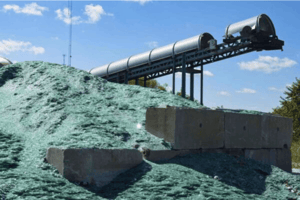
SEPARATE
After the first grind, the material is mechanically sorted by size and some of it is ground again to achieve uniform granules. Encapsulant and polymer backsheet material is lighter than glass, allowing for mechanical separation.
STEP 5 - DOWNSTREAM USES FOR RECYCLED SOLAR PANELS
Various types of recycled glass are re-combined to manufacture a variety of products. All components of a recycled solar panel are either repurposed or recycled; zero landfill recycling is a priority for this waste stream.
ROAD BEADS
Road beads are retroreflective spheres of glass that help illuminate highway markings. This is a multi-billion dollar industry in the United States.

FIBERGLASS MANUFACTURING
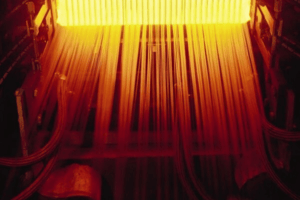
Recycled glass waste is used in fiberglass manufacturing because it increases efficiency. Cullet (glass waste) reaches working temperatures more quickly, providing consistent demand for this type of recycled material.
ABRASIVES & SANDBLASTING
Recycled glass waste can be used for sandblasting in various sizes for different applications.

FLOAT GLASS
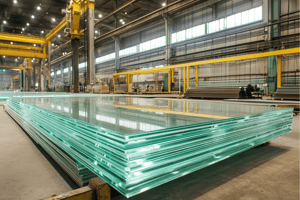
Recycled solar panel waste is often used to manufacture float glass. The process used to manufacture these products domestically is an early step towards a solar circular economy.
PAINT FILLER
Finely ground glass is used in certain types of paint, including automotive paint. This material can also be used in the concrete industry. Finely ground glass helps to lower curing times and increases the overall strength of the concrete.

CONTAINER GLASS
Recycled glass is present in most glass containers. The process used to create new container glass is another great example of a circular economy for solar panel recycling.

ZERO LANDFILL SOLAR PANEL CIRCULAR PROCESSING
Did you experience solar panel damage from hail or other severe weather and need to replace your units? Ensure you are making an informed decision regarding your specific solar product type, are following your local waste regulations, and fully understand your disposal options, liability and risks.
INDUSTRIES SERVED
OUR SOLAR RECYCLING PROGRAM INCLUDES (BUT IS NOT LIMITED TO):
-
Manufacturing
-
Education
-
Food: Production, Processing & Labs
-
City/County Municipalities
-
Construction & Contractors
-
Commercial Real Estate
-
Senior/Memory Care
-
Agriculture
-
Government & Utilities
-
Retail
-
Recycling Centers & Landfills
-
Restaurants